
What Causes Hair Loss and How to Treat It Effectively
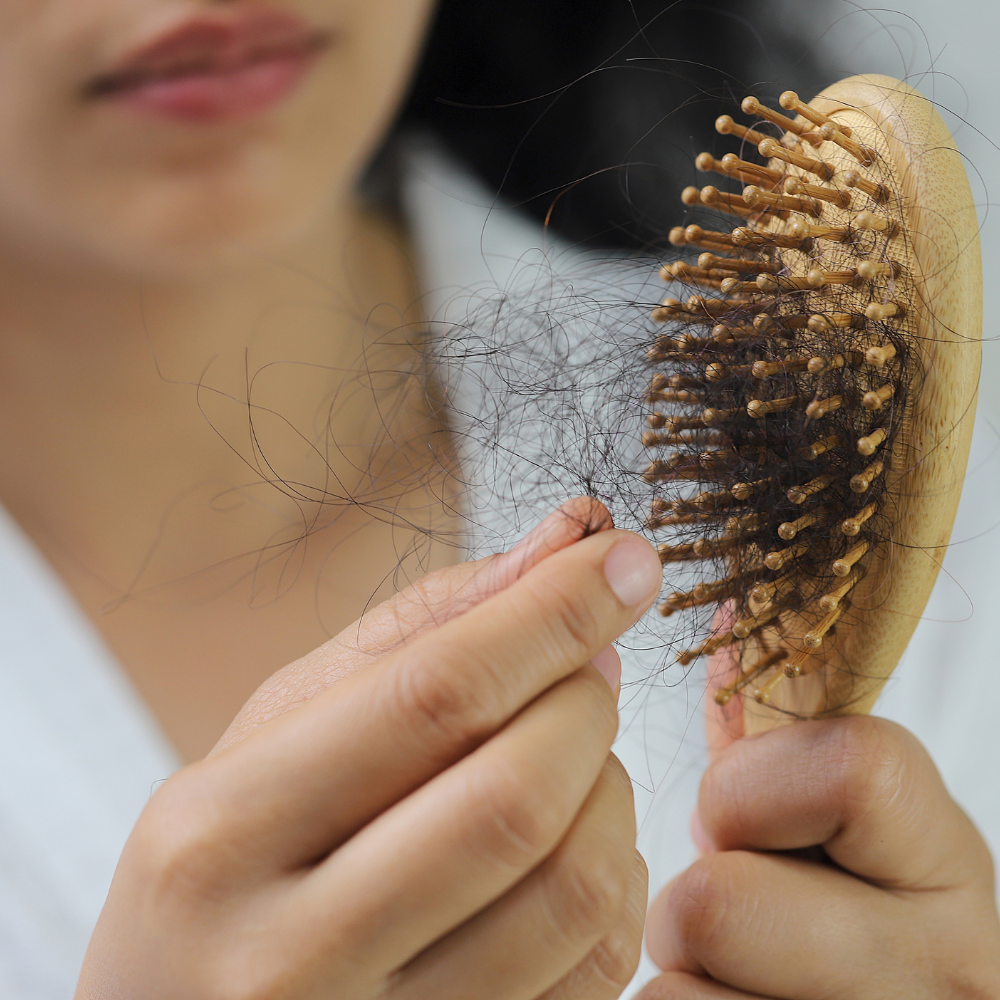
Hair loss is a common problem that affects millions of people worldwide. While losing 50–100 hairs per day is normal, excessive hair shedding may indicate an underlying issue. Understanding the causes of hair loss is the first step toward finding the right treatment.
In this guide, we will explore the most common causes of hair loss and the best treatments available today.
Common Causes of Hair Loss
1. Genetic Hair Loss (Androgenetic Alopecia)
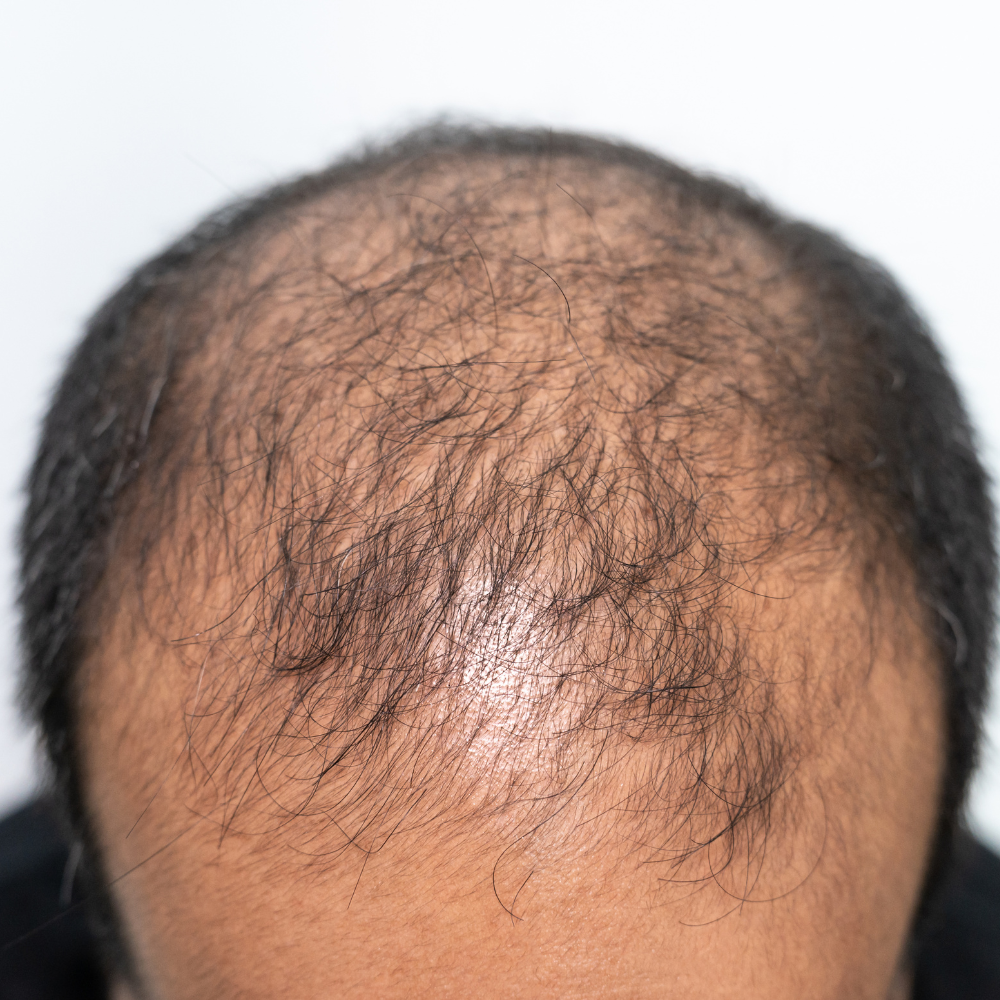
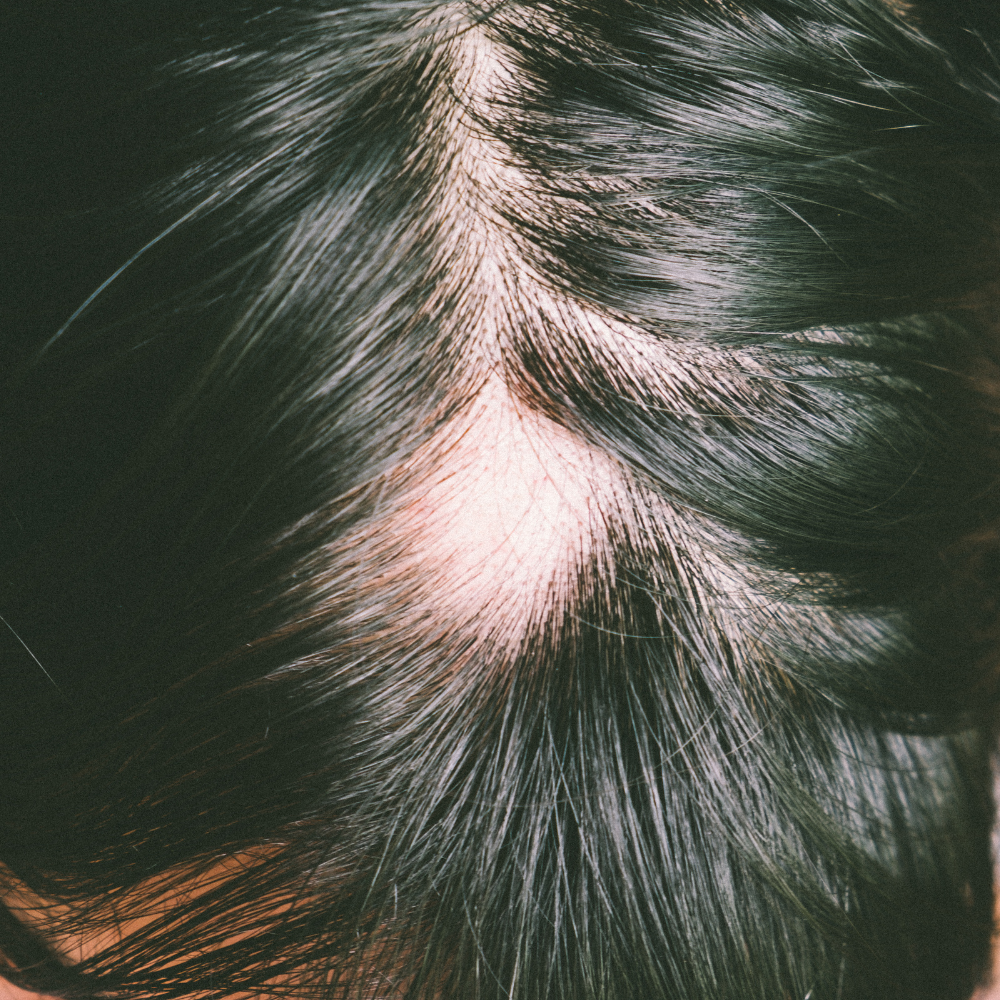
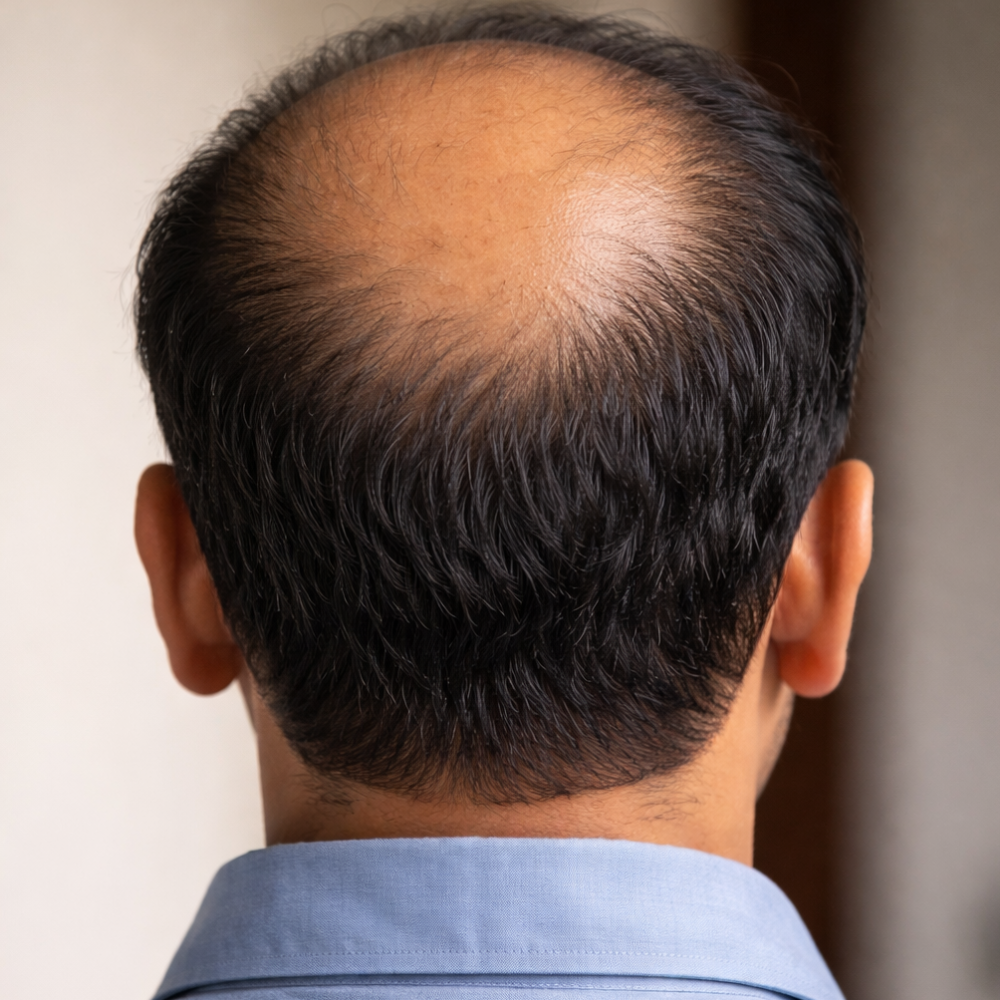
Genetic hair loss, also known as androgenetic alopecia, is the most common cause of hair thinning in both men and women.
Symptoms
- Receding hairline in men
- Thinning hair on the crown
- Widening hair part in women
This type of hair loss occurs due to hormonal changes and genetic factors.
2. Hormonal Changes
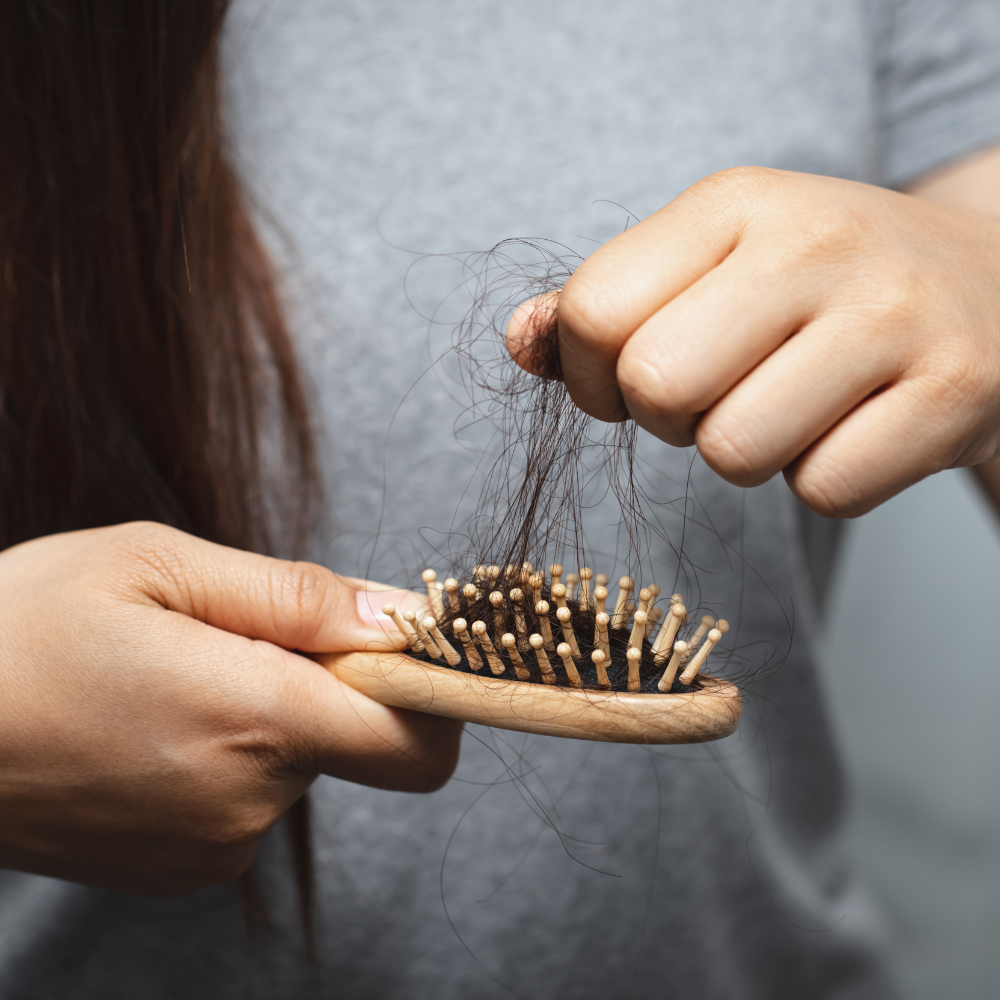
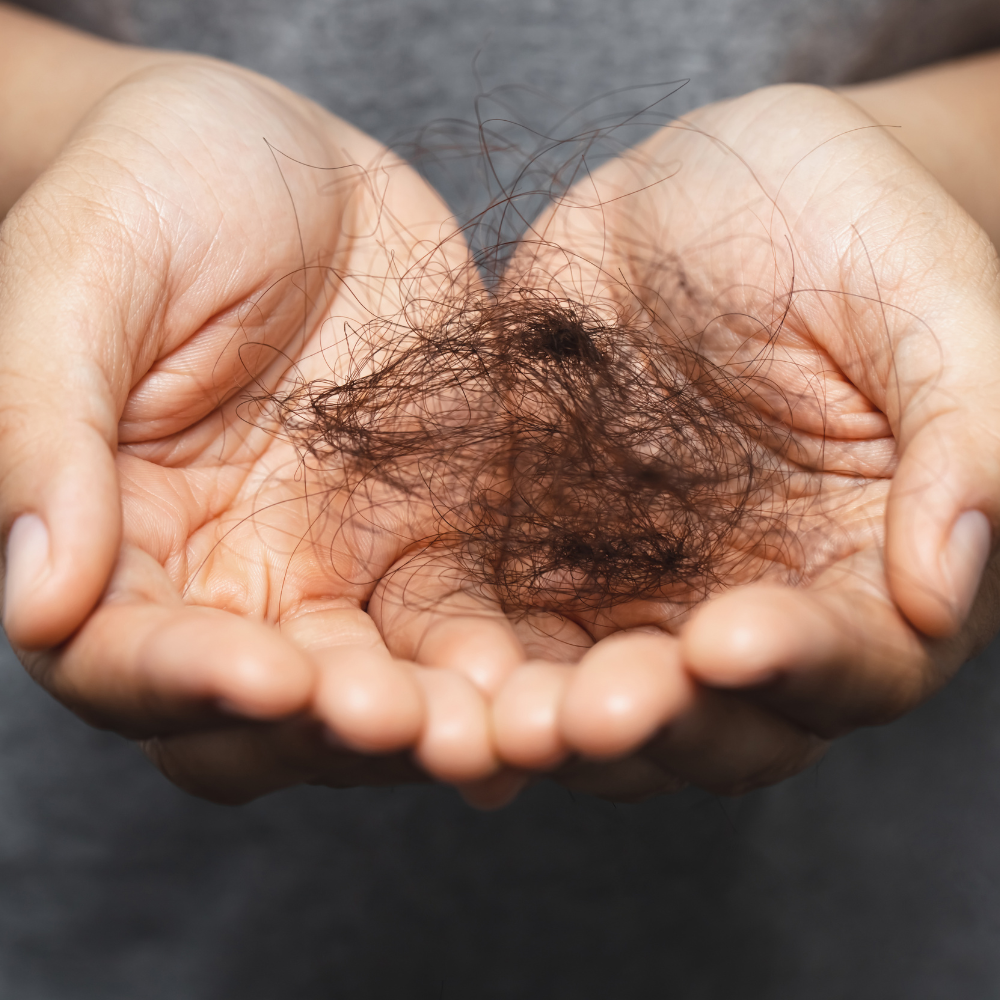

Hormonal imbalances can significantly affect hair growth.
Common causes include:
- Pregnancy
- Menopause
- Thyroid disorders
- Polycystic Ovary Syndrome (PCOS)
These hormonal changes can push hair follicles into the shedding phase prematurely.
3. Stress and Lifestyle Factors
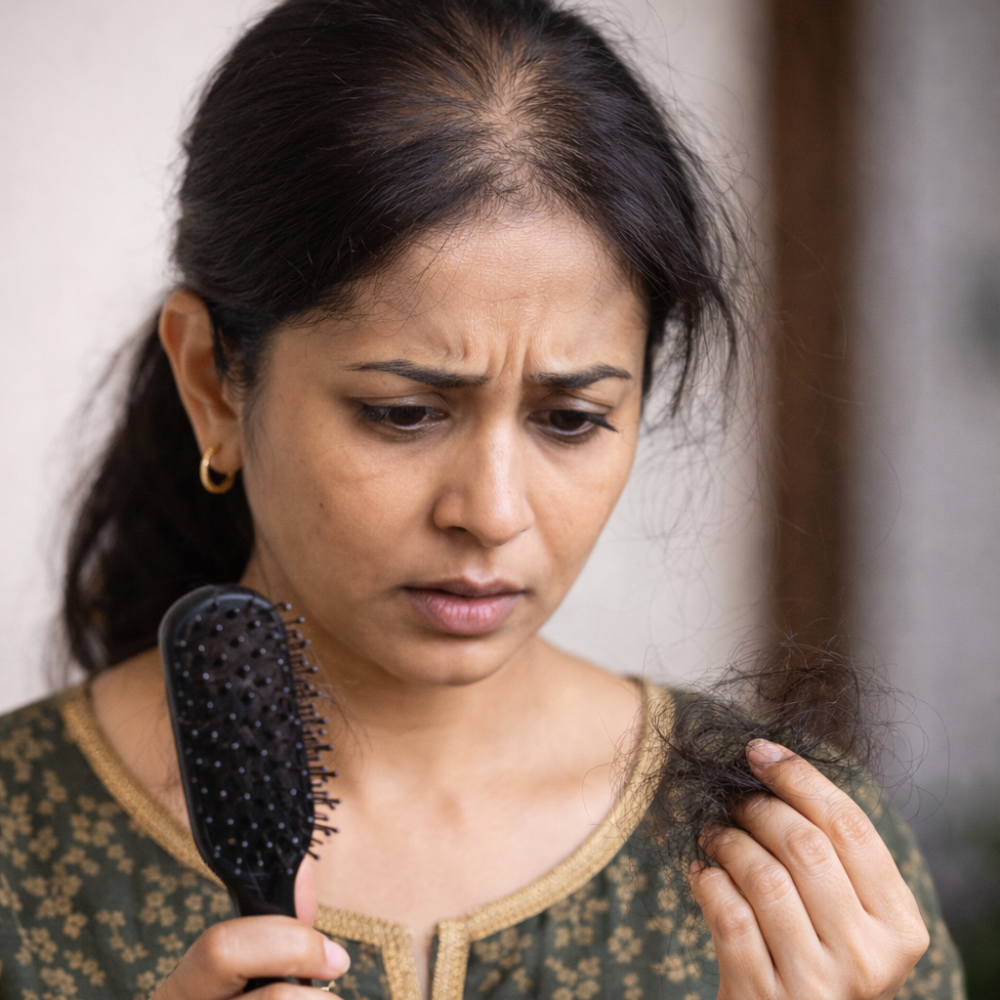
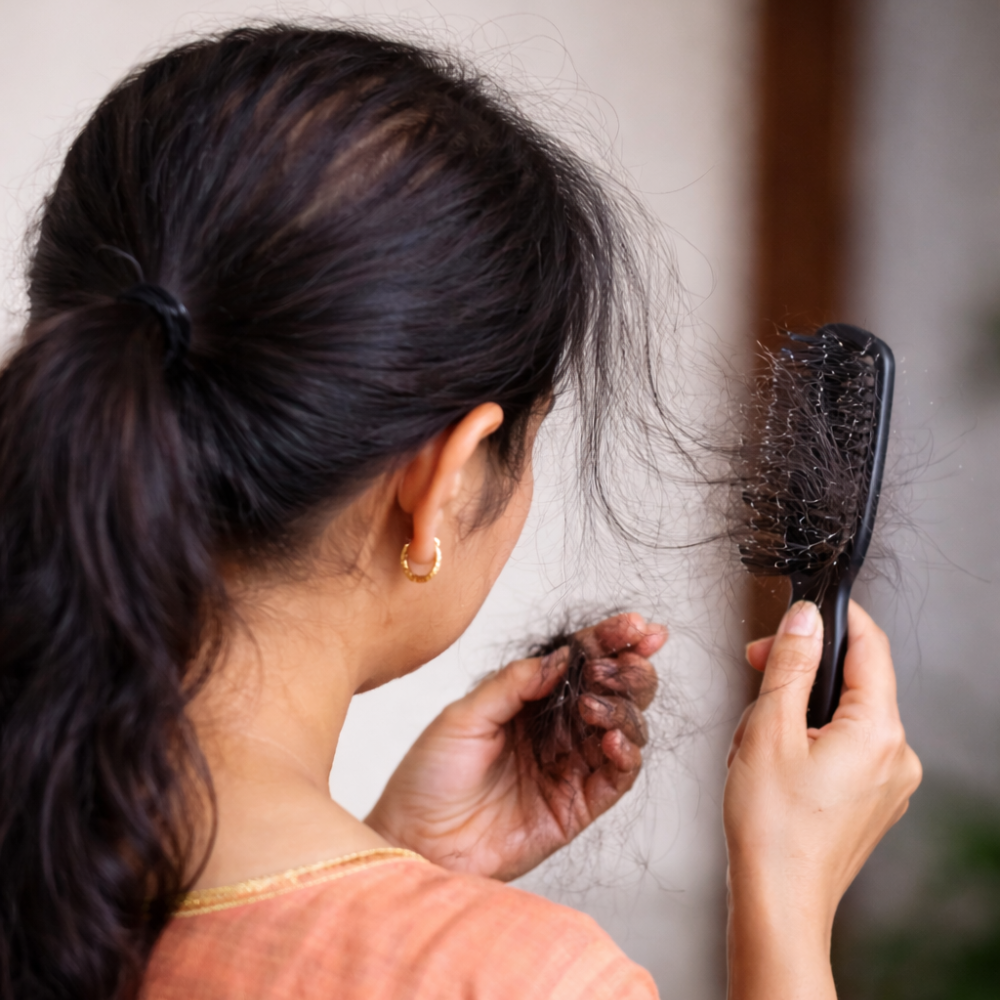
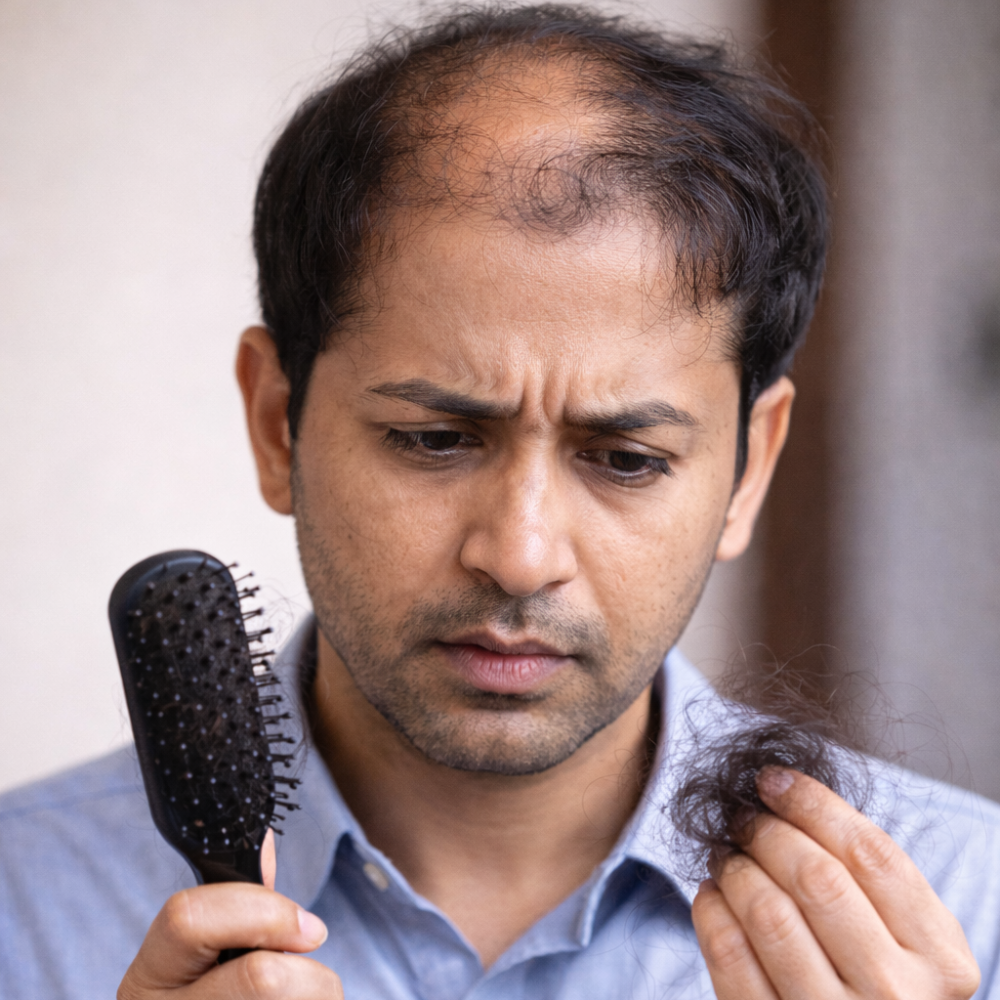
Physical or emotional stress can lead to telogen effluvium, a temporary hair loss condition.
Common triggers include:
- Severe illness
- Surgery
- Rapid weight loss
- Emotional stress
Fortunately, this type of hair loss is often temporary and reversible.
3. Nutritional Deficiencies
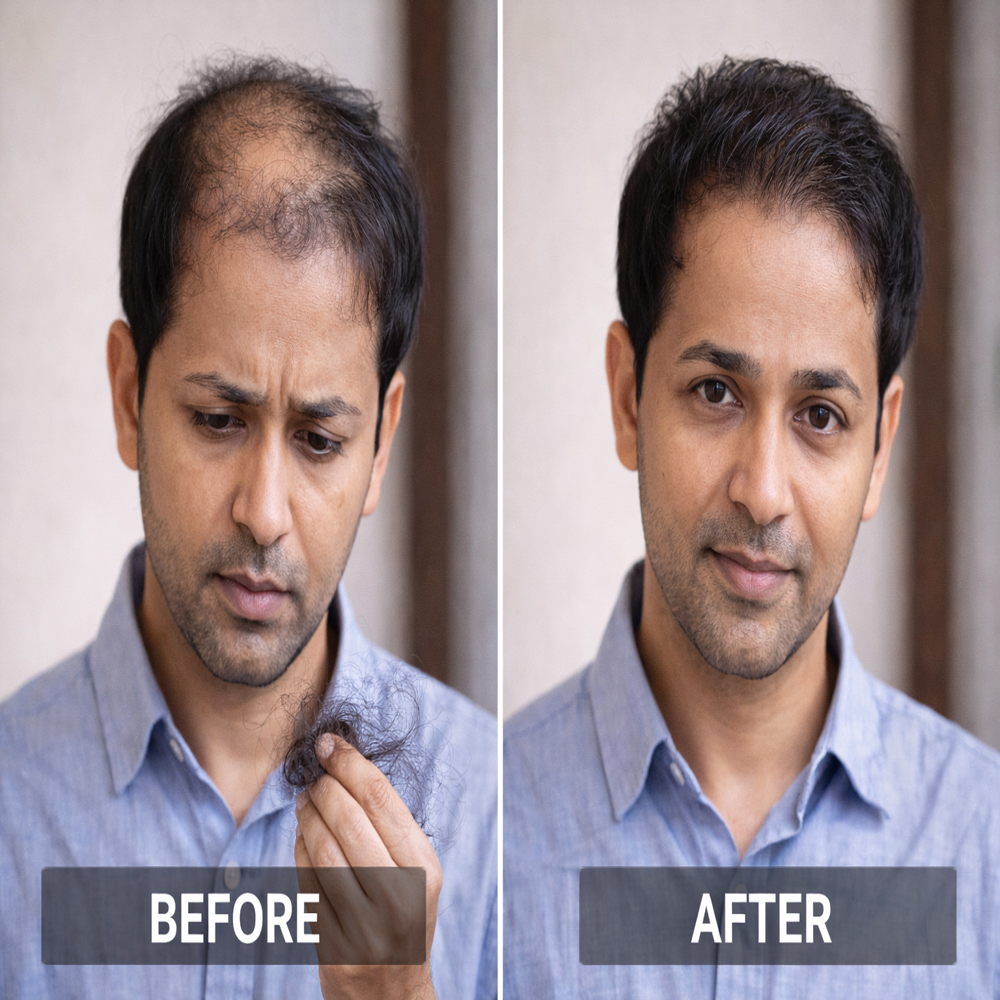


Hair requires essential nutrients to grow properly. Deficiencies in certain vitamins and minerals can lead to hair thinning.
Important nutrients for healthy hair include:
- Iron
- Vitamin D
- Biotin
- Zinc
- Protein
A balanced diet is essential for maintaining strong and healthy hair follicles.
Effective Treatments for Hair Loss
1. PRP Hair Treatment



Platelet-Rich Plasma (PRP) therapy is one of the most popular non-surgical hair restoration treatments.
How it works
- A small amount of blood is drawn from the patient
- Platelets are separated using a centrifuge
- The PRP is injected into the scalp
PRP helps stimulate hair follicles and promote natural hair growth.
2. Hair Transplant Surgery
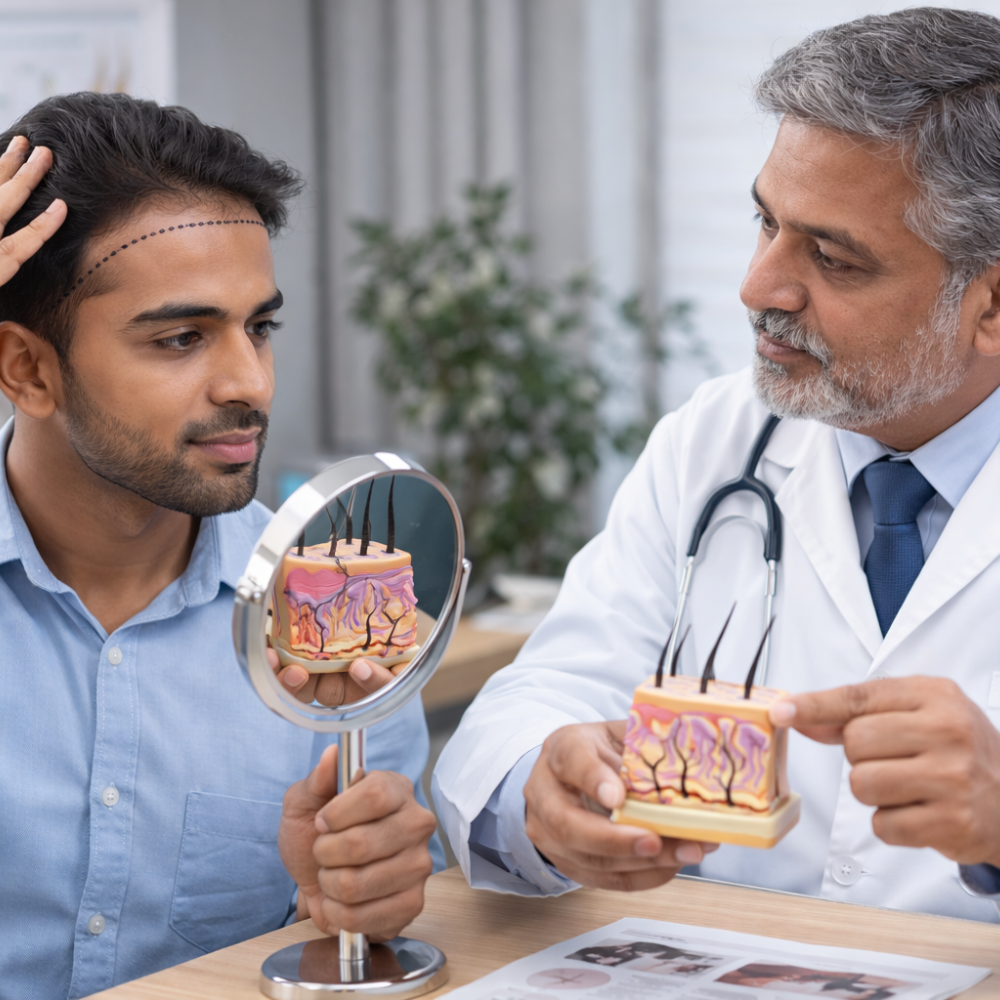
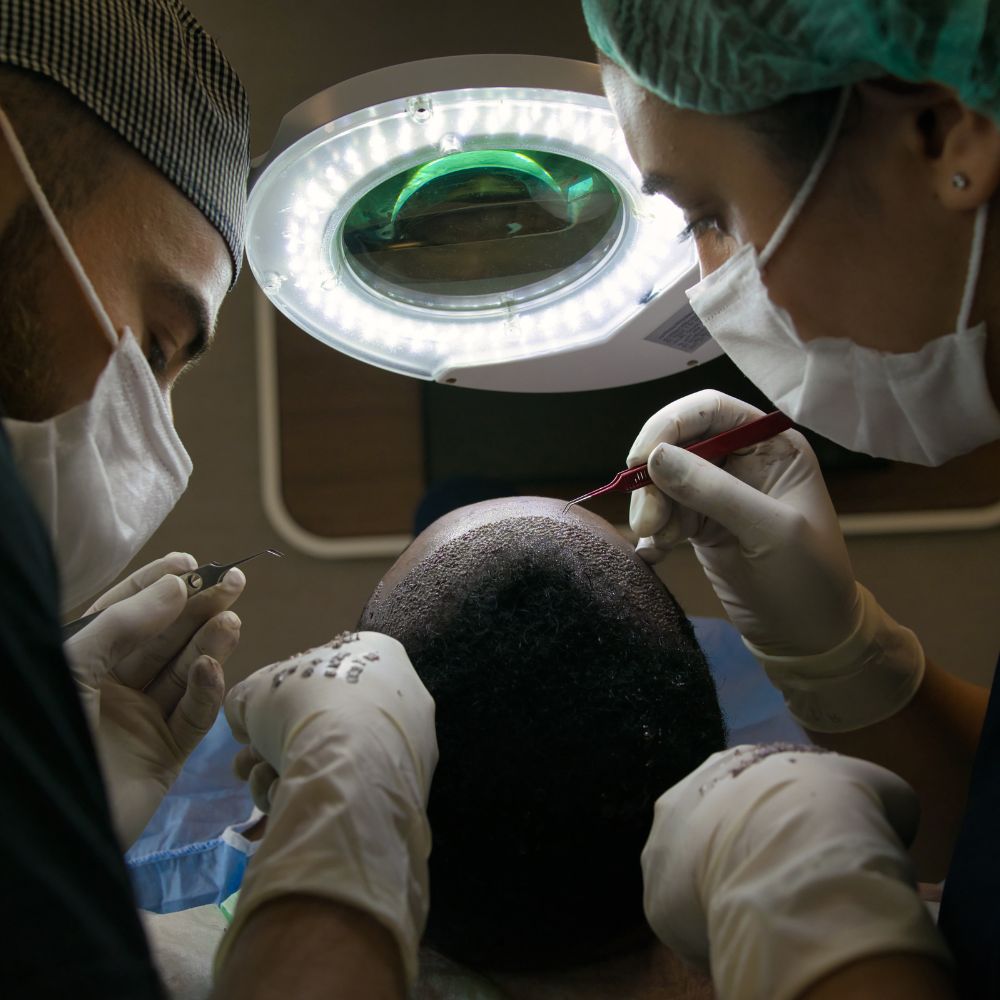
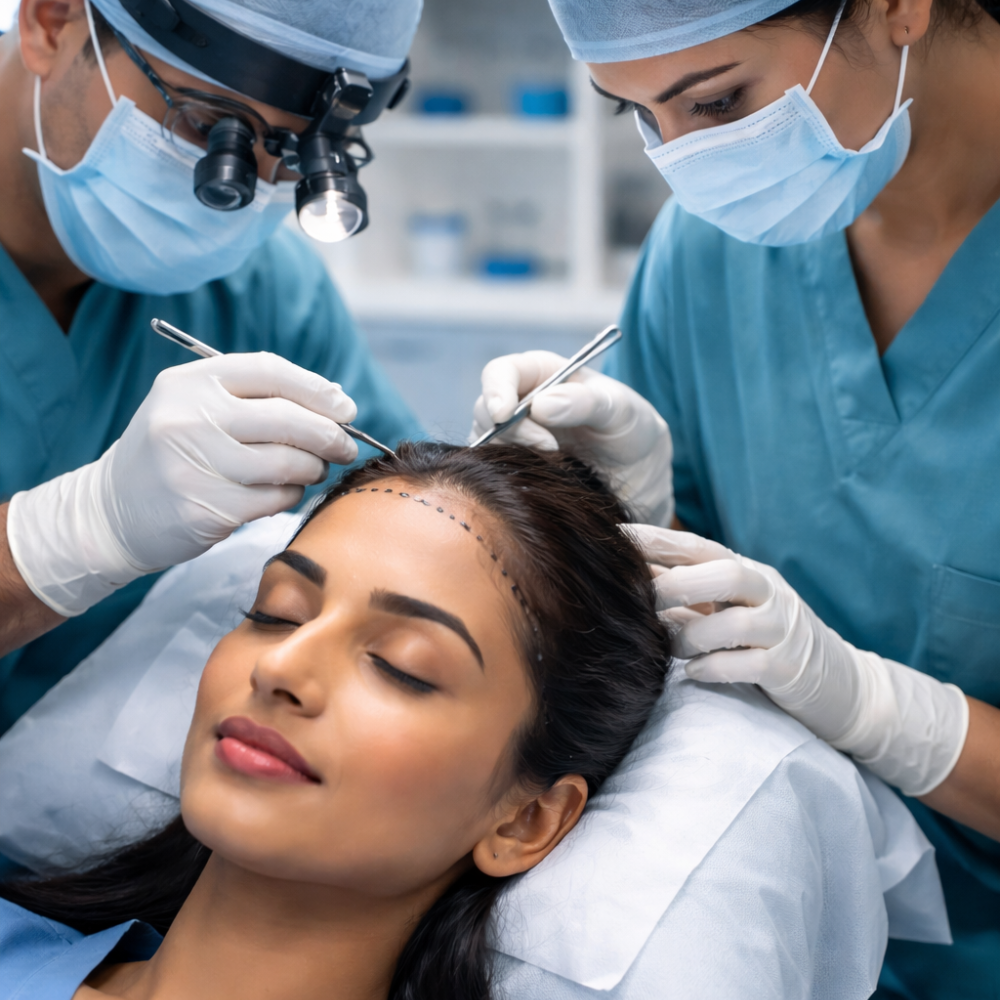
Hair transplant surgery involves moving healthy hair follicles from one part of the scalp to areas experiencing hair loss.
The two most common techniques include:
- FUE (Follicular Unit Extraction)
- FUT (Follicular Unit Transplantation)
Hair transplant offers long-term and natural-looking results.
3. Medications for Hair Loss
Certain medications can help slow down hair loss and promote regrowth.
Common options include:
- Minoxidil (topical treatment)
- Finasteride (oral medication for men)
These treatments work best when started early.
Tips to Prevent Hair Loss Naturally
Here are some simple lifestyle tips to maintain healthy hair:
- Eat a balanced diet rich in vitamins and minerals
- Avoid excessive heat styling
- Manage stress levels
- Use gentle hair care products
- Massage the scalp regularly
Healthy habits can significantly improve hair strength and growth.
When Should You See a Specialist?
If you experience:
- Sudden hair shedding
- Patchy hair loss
- Severe thinning
it is important to consult a hair restoration specialist or dermatologist.
Early diagnosis can help determine the best treatment plan for your condition.
Conclusion
Hair loss can occur due to genetics, hormonal changes, stress, or nutritional deficiencies. Fortunately, modern treatments such as PRP therapy, medications, and hair transplant surgery provide effective solutions for restoring hair growth.
If you are experiencing hair loss, consulting a qualified specialist can help you choose the most suitable treatment for your needs.